
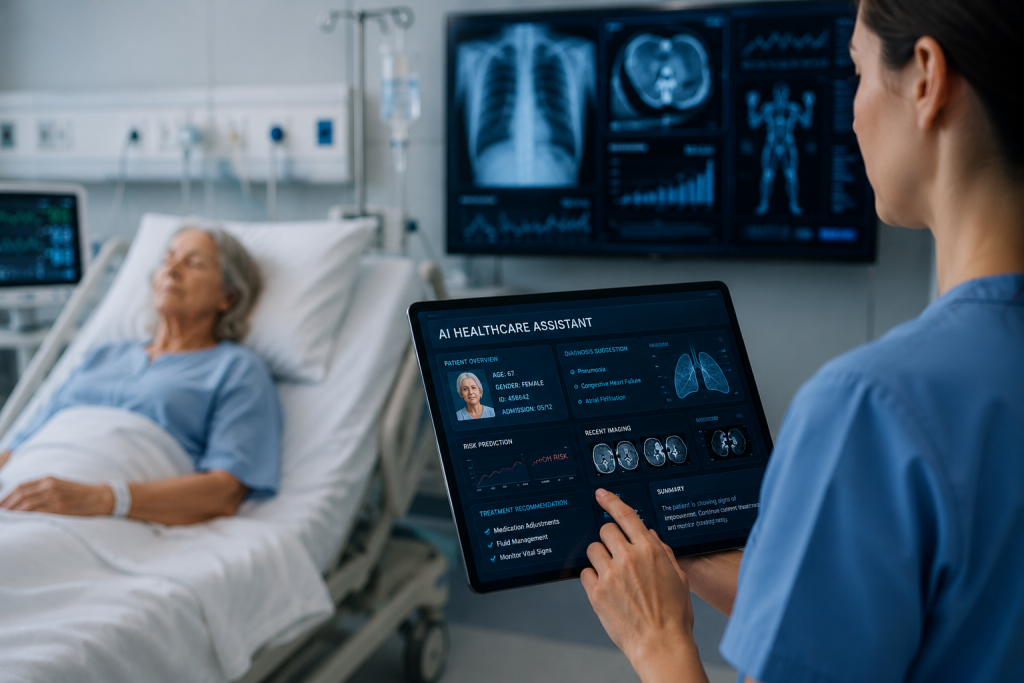
How AI is Shaping Patient Care: Real Use Cases in Healthcare by 2026
Artificial intelligence is rapidly becoming an essential part of modern medicine. The adoption of AI in healthcare is set to significantly transform patient care by 2026. As the industry continues to evolve, new and practical use cases for artificial intelligence in medicine are emerging. From quicker diagnoses to improved patient monitoring, AI healthcare 2026 will undoubtedly look different from the systems we see today.
The Expanding Role of AI in Healthcare
Healthcare systems around the world face rising demands and increasing complexity. Physicians, nurses, and other care providers often struggle to balance administrative duties with their commitment to patients. AI is now stepping in to streamline clinical workflows, automate repetitive tasks, and provide critical data-driven insights.
Enhancing Diagnostic Accuracy
One of the most promising healthcare AI use cases is diagnostic support. Medical AI applications can now analyze imaging studies—including X-rays, CT scans, and MRIs—faster and often more accurately than humans alone. In 2026, it is expected that an even greater number of health institutions will rely on AI-powered image analysis. This shift can speed up the diagnosis process for conditions such as cancer, stroke, and heart disease, allowing for timely treatment and improved patient outcomes.
AI is also being utilized for early detection of diseases using wearable technology. Continuous monitoring devices powered by AI algorithms can track vital signs and alert clinicians to potential problems before they become serious. For example, AI-enabled smartwatches are already screening for irregular heart rhythms and warning users about potential atrial fibrillation.
Personalized Medicine and Treatment Plans
Another critical application of artificial intelligence in medicine is the development of personalized treatment. AI systems gather vast amounts of patient data, analyze genetic information, and suggest optimal therapeutic options. By 2026, personalized medicine powered by AI will become even more sophisticated. This will enable healthcare providers to tailor treatment strategies to each patient’s unique profile, ranging from individualized cancer therapies to customized medication dosages that reduce side effects.
Streamlining Administrative Work
Administrative tasks can be a significant burden for healthcare practitioners. AI in healthcare can help automate appointment scheduling, insurance claim processing, and patient record management. These smart automation tools free up more time for doctors and nurses to focus on patient care. In a 2026 healthcare landscape, virtual assistants and AI chatbots will likely handle a bulk of routine interactions, such as answering patient queries and reminding individuals about appointments or medication schedules.
Improving Patient Monitoring and Chronic Disease Management
Chronic diseases such as diabetes and heart failure require constant management. Medical AI applications are revolutionizing how these conditions are tracked and controlled. AI-driven platforms can monitor patients in real time, track medication adherence, and detect anomalies that may indicate health deterioration. By 2026, integrated AI systems will play a pivotal role in alerting healthcare teams when intervention is required, ensuring rapid responses that can prevent hospital readmissions.
AI in Patient Care: The Human Touch
While AI patient care is undeniably technical, its true value lies in enhancing the human aspects of medicine. By taking over routine tasks and supporting complex decisions, AI allows healthcare workers to spend more time building relationships with patients. This means more compassionate care, better communication, and improved trust between providers and those they serve.
Overcoming Challenges and Looking Ahead
Despite the clear benefits of healthcare AI use cases, hurdles remain. Issues such as data privacy, algorithmic bias, and the need for robust industry standards must be addressed as the field grows. However, continuous innovation and collaboration between technology developers, clinicians, and policymakers are paving the way for ethical and effective integration of AI solutions.
As we look to the future of AI healthcare 2026, the synergy between artificial intelligence and medicine will keep expanding. From advanced diagnostics to customized treatments and improved patient experiences, AI-driven tools are transforming patient care in profound ways. The next few years promise a more efficient, accurate, and empathetic healthcare system powered by intelligent technology.