
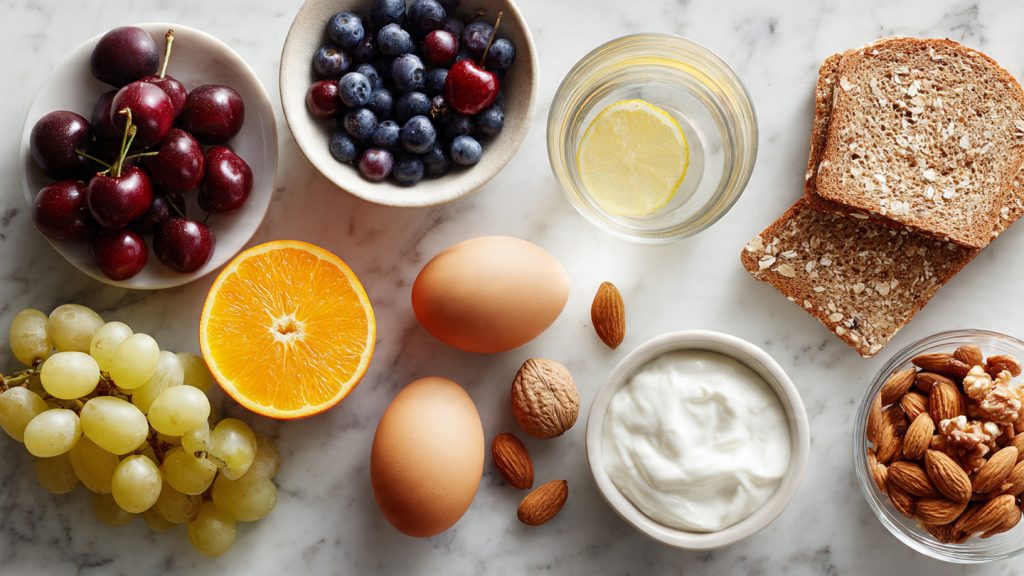
The Complete Low-Purine Foods List for Gout Patients: Science-Backed
Imagine waking up at 2 a.m. to a burning pain in your big toe so intense that even the weight of a bedsheet feels unbearable.
For the 9.2 million Americans living with gout, and millions more globally, that kind of pain is not a rare emergency. It shows up uninvited, on an ordinary night, in the middle of sleep.
Gout is one of the most painful forms of arthritis, and it is also one of the most directly influenced by what you eat.
Research shows that high-purine foods may increase the risk of a gout attack within 24 to 48 hours of consumption. That means your plate has real power, either as a trigger or as a tool.
This guide walks you through exactly which low-purine foods for gout belong on that plate, which foods to avoid, and how to build a sustainable eating pattern that reduces flare frequency without turning every meal into a medical exercise.
You will also find a sample meal plan, answers to the most common questions people ask, and practical tips you can start using today. If you want personalized guidance alongside this article,
HELF Buddy is an AI health companion built by doctors that currently supports gout as one of its featured conditions.
What Are Purines and Why Do They Matter for Gout?
Before diving into the low purine foods for gout, it’s important you understand what purines actually are and why they matter.
Purines are natural compounds found in many foods and in the cells of your own body. When your body breaks purines down, the end product is uric acid.
Under normal circumstances, uric acid dissolves in the blood, passes through the kidneys, and exits the body in urine. The problem starts when uric acid builds up faster than the body can clear it.
When uric acid levels stay consistently high, a condition called hyperuricemia, uric acid forms sharp, needle-like crystals that deposit in joints and surrounding tissue.
That crystal buildup is what causes the sudden, severe joint pain of a gout attack, most commonly in the big toe, ankles, and knees.
Where Do Purines Come From?
Endogenous purines come from the normal breakdown of your own cells. These account for the majority of uric acid production and cannot be controlled through diet alone.
Dietary purines come from the foods and drinks you consume, particularly animal proteins, certain seafood, and alcohol. While dietary purines represent a smaller fraction of total uric acid production, they are the fraction you can directly influence.
This is why a low-purine diet is a meaningful and evidence-supported part of gout management, even though it works best alongside, not instead of, appropriate medical treatment.
The Complete Low-Purine Foods List for Gout
The following foods are consistently low in purines and safe to eat regularly as part of a gout-friendly diet.
1. Whole Grains and Starchy Foods
Most grain-based foods are low in purines and form a reliable base for any gout-friendly eating plan.
Eat freely:
- Brown rice and white rice
- Whole-grain bread and pasta
- Quinoa, barley, and corn
- Popcorn and most breakfast cereals
Eat in moderation:
- Oatmeal: nutritious but contains moderate purines; reasonable portions are fine
- Wheat bran and wheat germ: Limit these if you are prone to frequent flares
Grains are not just purine-safe, they provide the complex carbohydrates your body needs for steady energy, which helps support a healthy weight.
Maintaining a healthy weight is one of the most impactful things you can do for gout management, as excess weight is strongly associated with higher uric acid levels.
2. Most Fruits
Fruit is among the most gout-friendly food groups. Nearly all fruits are low in purines, and most provide fibre, vitamin C, and antioxidants that support overall health.
Safe fruits include:
- Apples, pears, and grapes
- Berries: strawberries, blueberries, and cherries
- Citrus fruits: oranges, lemons, and limes
- Bananas, melons, and pineapple
A note on cherries: Emerging research suggests that cherries and tart cherry juice may have a specific benefit for gout, potentially reducing both uric acid levels and inflammation. While the evidence is still building, cherries are a low-purine fruit worth including regularly.
One important caution with fruit: Whole fruits are always preferred over fruit juice. Fruit juices, even unsweetened ones, are concentrated sources of fructose, which can increase uric acid production. Stick to whole fruit and water rather than juicing.
3. Most Vegetables
Vegetables are overwhelmingly gout-safe and should feature prominently in every meal.
Eat freely:
- Carrots, cucumbers, lettuce, and tomatoes
- Bell peppers, zucchini, eggplant, and onions
- Broccoli, cabbage, and celery
Moderate purine vegetables, no need to avoid them:
- Spinach, asparagus, cauliflower, mushrooms, and green peas contain slightly higher purines
Large-scale studies have not found that purine-rich vegetables significantly increase gout risk.
Do not avoid spinach or asparagus out of fear; they are still nutritious and gout-safe in normal serving sizes.
4. Low-Fat Dairy Products
Low-fat dairy is not just safe for gout; it is actively protective. Multiple studies have found that regular consumption of low-fat dairy is associated with lower uric acid levels and a reduced risk of gout attacks.
Best choices:
- Skim milk
- Low-fat yogurt
- Low-fat cheese and kefir
Dairy proteins appear to help the kidneys excrete uric acid more efficiently. Making low-fat dairy a daily habit is one of the simplest dietary changes you can make for gout management.
5. Eggs, Nuts, and Plant Proteins
These provide solid protein without a significant purine burden, making them ideal substitutes for the high-purine meats that gout patients need to limit.
Good choices:
- Eggs are one of the most gout-friendly protein sources available
- Almonds, walnuts, cashews, and peanut butter
- Most seeds
- Tofu in moderate portions
What about beans and lentils? Legumes contain moderate purines, but research does not show them to increase gout risk to the same extent as red meat.
Beans, chickpeas, and lentils are acceptable, especially as meat replacements, though portion control is sensible.
Foods to Limit or Avoid With Gout
Understanding low purine foods for gout means knowing what to reduce just as much as knowing what to eat.
High-Purine Meats: Avoid Entirely
Organ meats are among the highest purine-containing foods you can eat. Avoid these entirely:
- Liver, kidney, brain, sweetbreads, and heart
- Wild game meats such as venison and goose
Red Meat: Limit
Beef, lamb, pork, and veal are not off-limits entirely, but frequent intake is clearly linked to higher uric acid levels and increased gout frequency. Keep portions small and infrequent.
High-Purine Seafood: Limit Significantly
Certain seafood carries a high purine load and is best minimised:
- Sardines, anchovies, mackerel, and herring
- Tuna, trout, haddock, and cod
- Shellfish: mussels, scallops, shrimp, crab, and lobster
Even moderate intake of certain seafood can raise the risk of a flare, particularly when combined with alcohol.
Alcohol: A Major Trigger
Alcohol increases uric acid production and simultaneously reduces the kidney’s ability to excrete it, a double problem for gout patients.
Beer and spirits carry the highest risk. Wine appears to be lower risk than beer or spirits, but can still trigger attacks.
The risk is dose-dependent and time-sensitive: alcohol consumption increases flare risk significantly within the 24 hours following intake.
If you are managing active gout or have poorly controlled uric acid levels, alcohol should be avoided entirely.
Sugar-Sweetened Beverages and Fructose
Fructose can increase uric acid production. It does so through a process involving purine nucleotide breakdown in the liver. The key offenders are:
- Sugary sodas and energy drinks
- Fruit juices with added sugar
- Foods and condiments containing high-fructose corn syrup
Swapping these out for water is one of the most impactful dietary changes you can make.
What to Drink: Beverages That Support Gout Management
Hydration plays a direct role in uric acid management. Adequate fluid intake helps the kidneys dilute and excrete uric acid, reducing the risk of both gout flares and uric acid kidney stones.
Drink plenty of:
- Water: aim for 2 to 3 litres daily, unless a doctor has advised otherwise
- Coffee: Regular consumption of coffee could potentially lower uric acid levels, though this is not conclusive.
- Tea: generally safe and hydrating
- Low-fat milk: protective, as discussed above
- Citrus-infused water without added sugar
A Sample Low-Purine Meal Plan for Gout
Putting this into practice does not require complicated cooking. Here is a simple, balanced day of eating built entirely around low purine foods for gout:
Breakfast
Low-fat yoghurt with a handful of berries, two scrambled eggs, whole-grain toast, and a cup of black coffee or tea.
Lunch
Brown rice with grilled vegetables, baked tofu or an egg-based dish, and a side salad dressed with olive oil and lemon juice.
Afternoon Snack
One apple and a small handful of almonds.
Dinner
Whole-grain pasta with a tomato and vegetable sauce, steamed broccoli, a small portion of low-fat cheese, and water or unsweetened tea.
This day covers a full range of nutrients without putting any meaningful purine load on the body. It is also genuinely enjoyable to eat, which matters because sustainability is the whole point.
Why Diet Alone Is Not the Full Picture
standalone treatment for gout.
For most people with established gout, the target serum urate level is below 6 mg/dL, and for many, diet alone cannot get them there.
Urate-lowering medications remain the cornerstone of treatment, with dietary changes working alongside them to improve outcomes.
Think of it this way: medication manages what your body produces internally. Diet reduces the external input. Both matter, and neither works as well without the other.
Always follow the advice of your doctor regarding medication; do not stop or adjust any prescription because of dietary changes.
The Weight Factor: Why Gradual Loss Matters
Carrying excess weight is strongly associated with higher uric acid levels, partly because obesity reduces the kidney’s ability to excrete uric acid efficiently.
Gradual, sustainable weight loss can reduce both serum urate and flare frequency.
However, crash dieting and rapid weight loss have the opposite effect in the short term; they can actually spike uric acid levels and trigger an acute gout attack.
If weight loss is part of your plan, aim for a slow and steady approach: approximately 0.5 to 1 kg per week is a safer target.
Gout Is About More Than Just Purines
It is worth stepping back to see the bigger picture.
Gout is frequently associated with a cluster of other metabolic conditions, high blood pressure, high cholesterol, insulin resistance, and chronic kidney disease. These conditions often overlap, and they often share the same dietary triggers.
This means a gout-supportive diet is not really a restrictive, medically specific regimen.
It is simply a healthy, evidence-based way of eating, less alcohol, less red meat, less sugar, more vegetables, more water, more whole grains.
The same dietary pattern that helps manage gout also supports heart health, metabolic health, and overall long-term well-being.
If you want personalized guidance on managing gout through nutrition, including tracking your dietary choices and understanding how your eating patterns affect your condition,
Visit HELF Buddy, an AI health companion built by doctors that currently supports gout as one of its featured conditions. It can help you navigate your dietary decisions with evidence-based support tailored to you.
Frequently Asked Questions About Low Purine Foods for Gout
Can low-purine foods prevent gout attacks completely?
Not completely, no. A low-purine diet reduces the frequency and severity of flares but does not eliminate risk entirely. Gout is driven largely by how much uric acid the body produces internally and how efficiently the kidneys excrete it, factors that diet can influence but not fully control. The most effective management combines dietary changes with appropriate medical treatment.
Are all vegetables safe to eat with gout?
The vast majority are, yes. Even vegetables with moderate purine content, like spinach, asparagus, and mushrooms, have not been shown in research to significantly increase gout risk. Plant-based purines are processed differently in the body than animal-based purines. Eat your vegetables freely.
Is coffee safe if you have gout?
Yes. Coffee is generally considered safe for gout patients and may even be associated with modestly lower uric acid levels in some studies. Drink it without added sugar or high-fructose syrups to keep it gout-friendly.
Can I eat beans and lentils with gout?
Yes, in moderate portions. Legumes contain moderate purines but do not increase gout risk to the same degree as animal proteins. They are a valuable source of plant-based protein and a sensible substitute for red meat in a gout-friendly diet.
Is wine safer than beer for gout?
Relatively, but not completely safe. Wine appears to carry a lower gout risk than beer or spirits, but all alcohol increases uric acid to some degree. During an active flare or if your uric acid is poorly controlled, all alcohol should be avoided.
How much water should I drink to help with gout?
Most gout guidelines recommend aiming for 2 to 3 litres of fluid daily, with water as the primary choice. This supports the kidneys in filtering uric acid out of the bloodstream. If you have kidney disease or any condition that limits fluid intake, check with your doctor first.
Do I need to follow a strict low-purine diet forever?
Not necessarily to the extreme. A strict, highly restrictive diet is generally reserved for specific clinical situations, such as patients who cannot tolerate urate-lowering medications or those with frequent uric acid kidney stones. For most people with gout, moderate and consistent dietary adjustments provide meaningful benefit without requiring extreme restriction. Long-term sustainability matters more than short-term perfection.
Conclusion: Building a Low-Purine Diet That Actually Works for You
Managing gout through diet comes down to a few consistent habits rather than a rigid set of rules.
Fill your plate with whole grains, vegetables, low-fat dairy, eggs, and plant proteins. Keep water as your default drink.
Limit red meat, organ meats, high-purine seafood, alcohol, and sugary beverages.
Avoid crash dieting and aim for gradual, sustainable weight management.
None of that requires exotic ingredients or constant label-reading. It is straightforward, evidence-based eating that happens to be good for your joints, your kidneys, your heart, and your overall metabolic health.
If you are managing gout and want a more personalized approach to tracking your nutrition and understanding your condition,
The HELF Buddy platform supports gout as one of its featured health conditions and offers evidence-based guidance from a platform built by doctors. Your next flare is not inevitable. What you eat today genuinely matters.
DISCLAIMER: The information in this article is for educational purposes only and does not constitute medical advice. Always consult a qualified healthcare professional before making changes to your diet or treatment plan.
It was worth my time. Quite an insightful piece. Thank you.