
High Purine Foods to Avoid With Gout: What to Limit for Better Flare Control
There is a frustrating pattern that many people with gout know too well.
You manage your condition for a few weeks, maybe even a few months, and then a flare hits out of nowhere.
You start retracing your steps: what did I eat? What did I drink? Was it that meal two nights ago?
Diet does not tell the whole story of gout, but it is a meaningful chapter.
A 2024 analysis in The Lancet Rheumatology estimated that over 55 million people worldwide were living with gout as of 2020, and the burden continues to grow.
What is notable is that much of this rise tracks closely with shifts in how and what people eat globally: more processed foods, more meat, more alcohol, more sugar.
So what exactly are you eating that could be stoking that fire?
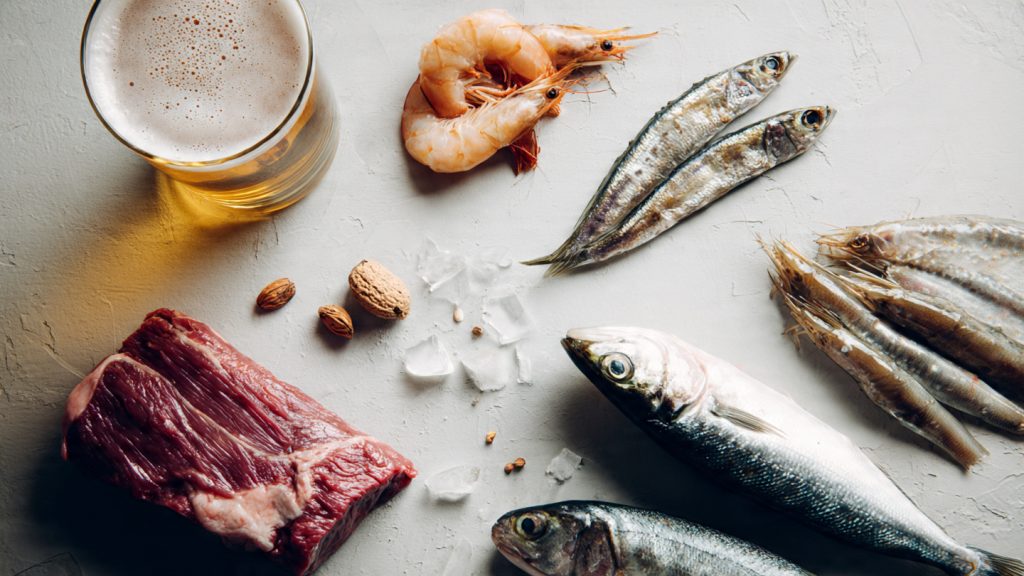
This post is specific. Rather than a general overview of gout nutrition, this is a focused breakdown of the high purine foods to avoid with gout, why they matter, and how different food types contribute differently to your uric acid levels.
If you have already read our guide on low purine foods for gout, think of this as the companion piece. That post told you what to eat. This one tells you what is working against you.
How Purines Become a Problem: The Uric Acid Pathway
Purines are not inherently harmful.
They are natural nitrogen-containing compounds found in the cells of virtually every living thing, including your own body.
Every day, as your cells break down and regenerate, purines are released and metabolised into uric acid. This is completely normal.
The issue with gout is not purines themselves. It is the volume of uric acid that accumulates when the system is overwhelmed.
When your body produces more uric acid than your kidneys can clear, or when kidney function means less is excreted regardless of production, uric acid builds up in the blood. This state is called hyperuricemia.
Over time, sustained hyperuricemia can lead to monosodium urate crystals forming in and around joints.
Those crystals trigger the immune system, producing the intense inflammation and pain that defines a gout flare, most commonly felt in the big toe, ankle, or knee.
Dietary purines add to this load. Your body produces the majority of its uric acid internally, but what you eat and drink contributes on top of that.
This is why reducing high-purine foods, particularly from animal sources, is one of the most practical levers you have for influencing your uric acid burden.
Why the Source of Purines Matters
Not all purines carry the same risk for gout.
This is one of the more nuanced points in gout nutrition and is worth understanding before you start cutting foods wholesale.
Research published in the New England Journal of Medicine following over 47,000 men found that higher consumption of meat and seafood was associated with a significantly greater risk of gout, while moderate consumption of purine-rich vegetables was not.
A case-crossover study on PubMed confirmed that animal-based purines had a substantially larger impact on flare risk compared to plant-based purines in people who already had gout.
What this means practically is that a bowl of spinach or asparagus, both of which contain moderate purines, is not in the same risk category as a portion of sardines or organ meat.
The focus of your dietary changes should be weighted toward animal-derived high-purine foods, because that is where the evidence points most clearly.
That said, individual responses vary.
Some people find certain plant foods trigger their flares. What the research describes is a general pattern, not a universal rule, which is why working with a healthcare professional on your specific dietary plan is always worthwhile.
High Purine Foods to Avoid With Gout: A Category-by-Category Breakdown
1. Organ Meats: The Highest Risk Category
Organ meats are among the most concentrated sources of purines in any human diet.
Liver, kidney, heart, sweetbreads, and brain are packed with cellular material that is dense in nucleic acids.
When these break down during digestion and metabolism, they release a large uric acid load into the body.
A PubMed study on purine content across 270 foodstuffs identified organ meats and fish organs as sitting at the top of the purine concentration scale. Even small servings can contribute meaningfully to uric acid levels.
Strictly avoid:
- Beef, chicken, and pork liver
- Kidney
- Heart
- Sweetbreads (thymus and pancreas)
- Brain
2. Red Meat: Reduce Frequency and Portion Size
Red meat sits in the moderate-to-high purine range and has been consistently associated with elevated uric acid in research.
The NEJM study referenced above found that each additional daily serving of meat was linked with a meaningfully higher gout risk over a 12-year follow-up period.
For people with active or frequent gout, significantly reducing how often you eat red meat and keeping portions smaller when you do, is a practical step with solid research support behind it.
Limit or reduce:
- Beef
- Pork
- Lamb and veal
- Venison and other wild game
3. Processed and Cured Meats
Bacon, sausages, deli meats, and minced meat products add purines on top of being typically high in sodium and saturated fat.
For people with gout who are also managing blood pressure or cardiovascular risk, both common comorbidities, these foods present a compounded problem.
Poultry like goose and duck tend to carry higher purine loads than standard chicken and are worth limiting in the same way as red meat.
Avoid or limit significantly:
- Bacon and cured pork products
- Sausages and minced meat products
- Deli meats and lunch meats
- Goose and duck
4. High-Purine Fish
Fish is often perceived as the healthy protein choice, and for many conditions it is. But for gout, certain fish species sit firmly in the high-risk category.
The purine load in anchovies, sardines, mackerel, and herring is substantial, and research links regular consumption of these fish to elevated uric acid levels.
High-purine fish to avoid or limit:
- Anchovies
- Sardines
- Mackerel
- Herring
- Sprats and whitebait
- Trout, haddock, and cod (moderate-high)
- Tuna
- Fish roe (fish eggs)
5. Shellfish and Seafood
Shellfish is another well-studied category in the gout literature.
The PMC case-crossover study found that animal-based seafood had a substantially greater impact on gout flare risk than plant-based purines.
Even moderate intake of certain shellfish may raise the risk of a flare, particularly when combined with alcohol consumption.
Avoid or limit:
- Mussels
- Scallops
- Shrimp and prawns
- Crab
- Lobster
- Oysters
6. Yeast and Yeast-Based Products
Brewer’s yeast, nutritional yeast in large quantities, and yeast extracts such as Marmite or Vegemite are concentrated purine sources that are easy to overlook.
Meat extract products like Bovril carry a similar risk. If you use these regularly in cooking or as supplements, they are worth accounting for.
7. Meat Broths, Bone Broths, and Gravies
Even when you skip the solid meat, the cooking liquid can still carry a significant purine load.
Purines leach from animal tissue into water during cooking. This makes meat broths, bone broths, fish stocks, and gravies made from pan drippings a hidden contributor for many people who are otherwise being careful.
Bouillon cubes are another concentrated source worth watching, given that they are essentially compressed meat extract.
Alcohol and Fructose: Two Non-Purine Triggers That Still Raise Uric Acid
Avoiding high-purine foods is important, but it is not the full picture.
Alcohol and fructose raise uric acid through metabolic pathways that are separate from dietary purine intake, yet their impact on gout is well-documented.
Alcohol
A meta-analysis of 19 studies on PubMed found that alcohol was associated with more than double the risk of gout compared to non-drinkers.
It works through several mechanisms at once: increasing uric acid production, reducing how effectively the kidneys excrete it, and promoting dehydration, all of which compound the problem.
Beer carries a double burden because brewer’s yeast adds a direct purine load on top of alcohol’s metabolic effects.
Spirits also carry significant risk. Wine appears to have a somewhat lower association in the research, though it may still potentially trigger flares in susceptible individuals.
Limiting alcohol across all types is a consistently well-supported strategy in gout management.
Fructose and Sugar-Sweetened Beverages
Fructose can increase uric acid production through metabolic pathways.
The same meta-analysis found fructose was associated with more than double the gout risk, making sugar-sweetened beverages one of the most impactful and commonly overlooked dietary factors.
Drinks to reduce or avoid:
- Regular sodas and soft drinks with added sugar
- Sweetened fruit juices
- Energy drinks
- Commercial smoothies with high added sugar
Do You Need to Avoid High-Purine Vegetables Too?
Spinach, asparagus, cauliflower, mushrooms, and peas all contain moderate amounts of purines.
A reasonable concern is whether these need to be limited in the same way as the animal foods above.
Based on current evidence, most people with gout do not need to avoid these vegetables.
Both the NEJM study and the PMC meta-analysis referenced in this post found that purine-rich vegetables were not significantly associated with increased gout risk.
Most gout nutrition guidelines reflect this same position.
If you are noticing that certain plant foods seem to coincide with your flares, that is worth raising with your doctor.
But there is no general evidence-based reason to restrict vegetables that otherwise support a healthy, balanced diet.
Lower-Risk Alternatives Worth Eating More Of
Cutting out or reducing certain foods is easier to sustain when you know what to replace them with. Here are the lower-risk options that the research supports:
Low-Fat Dairy
Low-fat dairy has been consistently associated with lower uric acid levels across several large studies.
Skim milk, low-fat yogurt, and reduced-fat cheese are useful protein sources that do not carry the purine burden of meat or seafood.
Eggs
Eggs are one of the most gout-friendly sources of complete protein available.
They work well as a practical substitute in meals that would otherwise centre on red meat or high-purine fish.
Plant-Based Proteins
Nuts, nut butters, tofu, and legumes in moderate portions provide protein without the elevated gout risk associated with animal meats.
Legumes contain moderate purines but have not shown the same risk profile as animal sources in research.
Whole Grains and Most Vegetables
Most grains and vegetables are purine-safe and should feature widely in your meals.
Cherries, in particular, have shown some association with reduced gout flare frequency in research and are worth including regularly.
Water and Coffee
Staying well hydrated supports kidney function and uric acid excretion.
Coffee is also worth mentioning: regular consumption could potentially be associated with lower uric acid levels in some individuals, though this is not conclusive.
A Realistic Perspective: What Dietary Changes Can and Cannot Do
Dietary changes matter, but it is important to be realistic about their role.
Gout has significant genetic and metabolic components. Many people with gout continue to have elevated uric acid even with careful dietary management, because a large proportion of uric acid is produced internally regardless of what you eat.
For most patients with established gout, urate-lowering medications such as allopurinol or febuxostat remain the cornerstone of treatment.
Dietary changes work best when they complement medication, not as a replacement for it.
Gradual weight loss, for those where it is relevant, has also been associated with lower uric acid levels.
Rapid weight loss or crash dieting can have the opposite effect in the short term, temporarily raising uric acid levels and increasing flare risk.
Always work alongside your healthcare provider when making significant dietary changes, particularly if you are currently on medication for gout.
Managing Gout Day-to-Day With HELF Buddy
Understanding which foods to avoid is one part of gout management. Putting that knowledge into practice consistently, meal by meal, day by day, is another challenge entirely.
HELF Buddy is an AI health companion built by doctors and integrated with PubMed-backed medical knowledge.
Gout is one of the conditions featured on the platform. You can use it to explore evidence-based information, ask questions about your condition, and access personalised guidance designed to support your everyday decisions.
Explore HELF Buddy here and see how it can support your gout management.
Frequently Asked Questions About High Purine Foods and Gout
Which foods have the highest purine content for gout?
Organ meats (liver, kidney, heart, sweetbreads), certain oily fish (anchovies, sardines, mackerel, herring), shellfish (mussels, scallops, shrimp), and yeast extracts tend to carry the highest purine concentrations. Beer and processed meats also contribute significantly.
Can I eat red meat if I have gout?
Red meat is associated with increased gout risk in the research, particularly with frequent or large portions. Reducing how often you eat it and keeping portions smaller is a sensible step. Organ meats carry a higher risk than standard muscle meat cuts.
Is all seafood bad for gout?
Not uniformly. Oily fish like anchovies, sardines, mackerel, and herring carry the highest risk, as do most shellfish. Some fish fall in a lower-risk range. Your overall dietary pattern and individual response matter alongside any single food choice.
Does alcohol really make gout worse?
Yes. Alcohol is one of the most well-studied gout triggers. It raises uric acid production while reducing how effectively the kidneys excrete it. Beer carries additional risk due to its yeast content. Limiting alcohol is consistently recommended in gout management.
Are high-purine vegetables safe for gout?
For most people, yes. Vegetables like spinach, mushrooms, and asparagus contain moderate purines but have not been shown to significantly increase gout risk in large-scale studies. Plant-based purines appear to behave differently in the body compared to animal-derived ones, though individual responses can vary.
What is the most impactful dietary change I can make for gout?
There is no single answer, but cutting organ meats, high-purine shellfish and oily fish, and alcohol tends to have the most meaningful impact based on research. Staying well hydrated and limiting sugary beverages are also practical and often underestimated steps.
Conclusion: Know What You Are Eating and Why It Matters
Gout is one of the most directly diet-influenced forms of arthritis, which means that understanding the relationship between food and uric acid gives you real, actionable information.
Knowing the high purine foods to avoid with gout puts you in a better position to make deliberate choices, rather than guessing after each flare.
The clearest evidence points to animal-based purines as the most significant dietary contributors: organ meats, high-purine fish, shellfish, and processed meats.
Alcohol and fructose add to that risk through separate mechanisms. Reducing these, while increasing lower-risk proteins and staying well hydrated, is a dietary shift with strong research support.
Diet is most effective as part of a broader management plan that includes appropriate medical treatment.
If you are experiencing frequent flares or have not yet had a conversation with your doctor about urate-lowering therapy, that conversation is worth having.
And if you want science-backed support in navigating gout between medical appointments, HELF Buddy is built for exactly that kind of everyday guidance.
For a full list of gout-friendly foods and a sample meal plan, see our companion guide: Low Purine Foods for Gout.
DISCLAIMER: The information in this article is for educational purposes only and does not constitute medical advice. Always consult a qualified healthcare professional before making changes to your diet or treatment plan.