
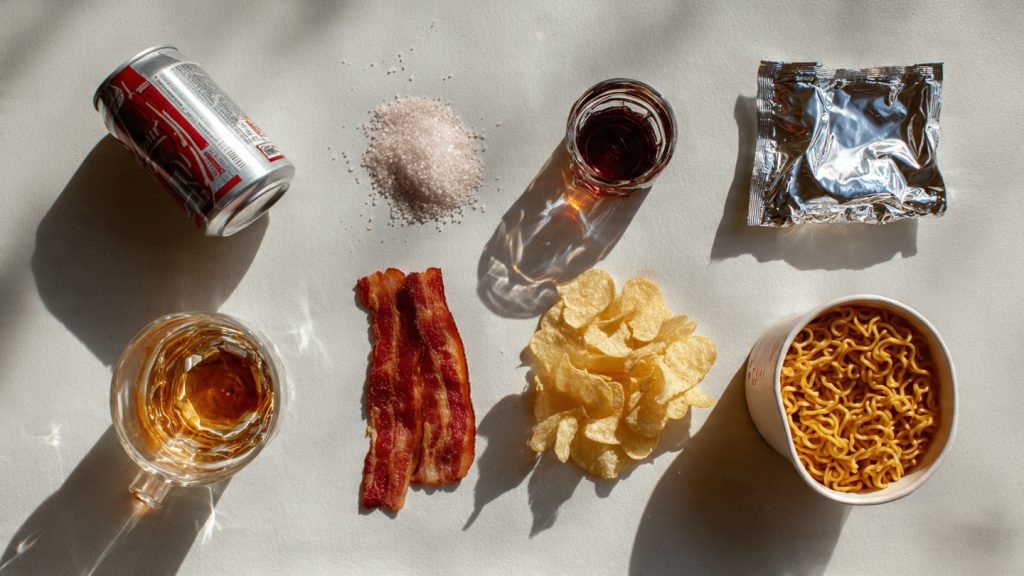
Everyday Foods That Weaken Bones and Raise Your Osteoporosis Risk
Most people know they should eat more calcium for their bones.
Fewer people think about what they are eating that may be quietly working against them.
Osteoporosis is often described as a silent disease because bone loss happens without pain, without warning signs, and without any obvious signal until a fracture occurs.
According to the International Osteoporosis Foundation, osteoporosis is estimated to affect 200 million women worldwide, and the condition causes more than 8.9 million fractures every year globally.
A systematic review published in Osteoporosis International estimated the global prevalence of osteoporosis at nearly 20 percent of the adult population based on WHO diagnostic criteria.
What makes this particularly worth paying attention to is that diet is one of the most modifiable risk factors for bone health.
You cannot change your age, your genetics, or your hormonal history. But you can change what you eat.
And while a lot of attention goes toward the foods you should be eating more of, the other side of that equation gets far less focus: the foods that may be undermining your bone density over time.
This post focuses specifically on the foods that weaken bones, how each one affects bone biology, and what you can do about it.
Unlike our earlier posts in this nutrition series, which focused on specific health conditions like gout, this post looks at an issue that touches almost everyone: the slow, cumulative effect of everyday dietary choices on skeletal strength.
Why Certain Foods Weaken Bones: The Biology Behind It
Bone is not a fixed, static structure. It is living tissue that undergoes continuous remodeling throughout your life.
Two types of cells manage this process: osteoblasts, which build new bone, and osteoclasts, which break down old bone.
In a healthy system, these two processes stay roughly in balance.
Certain dietary and lifestyle factors tip that balance in the wrong direction.
They either accelerate bone breakdown, slow bone formation, or interfere with the body’s ability to absorb and retain calcium, which is the primary mineral that gives bone its density and strength.
The connection to osteoporosis is direct. When bone resorption consistently outpaces bone formation over months and years, bone mineral density declines.
This is the pathway to osteopenia (lower than normal bone density) and ultimately osteoporosis (significantly reduced bone density that raises fracture risk).
Diet does not act alone in this process, but for many people, it is one of the most controllable contributing factors.
Everyday Foods That Weaken Bones: A Breakdown by Category
1. High-Sodium Foods: The Most Overlooked Bone Risk
Salt is probably the least discussed dietary risk factor for bone health, yet the research behind it is consistent.
When sodium levels in the blood rise, the kidneys work to excrete the excess. Calcium gets swept along in this process, increasing how much calcium is lost in urine.
A PMC study on postmenopausal women with low bone mass found a significant positive correlation between 24-hour urinary sodium and calcium excretion, and between high calcium excretion and bone resorption markers.
A separate PubMed study found that high urinary sodium excretion was associated with elevated bone turnover markers in postmenopausal women with osteopenia or osteoporosis, suggesting that excessive sodium intake may accelerate bone turnover.
The concern is greatest when sodium intake is high, and calcium intake is simultaneously low because the body has no reserve to compensate for the calcium being lost.
The highest-sodium foods to be mindful of:
- Processed meats such as bacon, ham, and sausages
- Canned soups and instant noodles
- Fast food and takeaway meals
- Packaged snacks, including chips and crackers
- Frozen ready meals
- Processed cheese
2. Carbonated Soft Drinks, Particularly Cola
Cola-type soft drinks have been studied in relation to bone health for several reasons.
They contain phosphoric acid, which in large amounts may disrupt the calcium-to-phosphorus balance in the body.
More practically, soft drinks tend to replace milk and other calcium-rich beverages, meaning the issue is often as much about what they push out of the diet as what they directly do to bone.
Dietary patterns heavy in sugary beverages have also been associated with broader metabolic changes, including increased systemic inflammation, which may indirectly affect bone remodeling.
Adolescents who consume large amounts of soda in place of dairy during the years when peak bone mass is being built may be particularly affected, since the bone density achieved by early adulthood largely determines long-term skeletal resilience.
3. Excessive Alcohol Consumption
The relationship between alcohol and bone health is well-documented in research.
Chronic heavy alcohol consumption has been associated with reduced bone mineral density and a higher risk of fractures across multiple studies.
A dose-response meta-analysis published in PMC found that heavy alcohol intake may negatively affect bone through several pathways:
It can impair osteoblast function (the cells that build new bone), interfere with hormonal regulation, including estrogen and testosterone, disrupt vitamin D metabolism, and reduce how well the gut absorbs calcium.
Research also suggests that heavy alcohol consumption may have a direct toxic effect on bone-forming cells.
A review published in Alcohol and Bone (PMC) noted that chronic heavy alcohol consumption can compromise bone health and may increase fracture risk, with effects that appear particularly pronounced in younger people during the years when bone mass is still being developed.
It is worth noting that the research picture on moderate alcohol consumption is less clear.
Some studies have observed a potential association between moderate intake and certain markers of bone health, though the evidence is inconsistent, and this should not be interpreted as a reason to drink for bone health benefits.
The clearest and most consistent signal in the research points to heavy, chronic consumption as the concern.
4. Very High Vitamin A Intake
Vitamin A is essential for many functions in the body, including immune health and vision.
However, excessive intake of preformed vitamin A, known as retinol, may have an adverse effect on bones.
High retinol intake has been associated in some studies with stimulating osteoclast activity and potentially interfering with vitamin D’s role in bone metabolism.
The concern is less about vitamin A from food in normal dietary amounts and more about high-dose supplementation combined with frequent consumption of very high-retinol foods such as liver.
Beta-carotene, the plant-based precursor to vitamin A found in carrots, sweet potatoes, and leafy greens, does not appear to carry the same risk.
If you take a vitamin A supplement, it is worth checking the dose and discussing it with a healthcare provider, particularly if you are already at risk for osteoporosis.
5. Ultra-Processed and Low-Nutrient Foods
Ultra-processed foods, meaning packaged products that have undergone significant industrial processing and contain additives, preservatives, and artificial ingredients, tend to be low in the nutrients that bones depend on: calcium, magnesium, vitamin K, and vitamin D.
When these foods form a large part of the daily diet, they displace the whole foods that supply those nutrients.
Beyond what they lack, many ultra-processed foods are also high in sodium and refined sugars, both of which have independent associations with calcium loss.
Dietary patterns built around processed foods are broadly associated with poorer bone quality in nutritional research, not because any single ingredient is acutely toxic to bone, but because the overall nutritional deficit accumulates over time.
Common ultra-processed foods to be mindful of:
- Packaged baked goods and pastries
- Sugary breakfast cereals
- Processed snack foods
- Fast food meals
- Flavoured instant noodles and ready meals
6. Very High Caffeine Intake
Caffeine in moderate amounts, such as one to two cups of coffee per day, is generally considered safe for bone health in people who are consuming adequate calcium.
The concern arises when caffeine intake is very high, and calcium intake is simultaneously low.
Very high caffeine consumption may slightly increase calcium excretion in urine, in a mechanism somewhat similar to sodium.
The effect is modest and appears more relevant in people who are already calcium-deficient or in older postmenopausal women whose bone loss is accelerated by other factors.
For most people who maintain adequate calcium intake, moderate coffee or tea consumption does not appear to pose a significant risk to bone density.
7. Severely Calorie-Restricted Diets
While not a single food, severe and sustained caloric restriction deserves a place on this list because its effect on bones can be significant.
When the body is in a prolonged state of low energy availability, it may reduce estrogen and testosterone production, both of which play important roles in maintaining bone density.
In women, this can lead to menstrual irregularity or loss, which is closely associated with accelerated bone loss.
Low body weight is an established risk factor for osteoporosis.
The combination of low energy intake, hormonal disruption, and micronutrient deficiency that often accompanies severe caloric restriction creates a compounding risk for bone health, particularly in adolescents and young adults.
An Important Point About Individual Variation
Not everyone responds to these dietary factors in exactly the same way. Genetic differences, baseline calcium and vitamin D status, hormonal profile, kidney function, and overall dietary pattern all influence how much any single food or nutrient affects bone density.
The concern with foods that weaken bones is not typically a single meal or a short period of poor eating.
It is long-term dietary patterns, sustained over months and years, that have the most meaningful impact on cumulative bone density.
This is also why osteoporosis is so often diagnosed late: the damage accumulates silently over decades before a fracture brings it to clinical attention.
What to Eat Instead: Foods That Support Bone Density
Knowing what weakens bones is only useful if it points toward what to do differently. Here is a brief overview of the dietary habits that research most consistently associates with better bone health:
Calcium-rich foods
Dairy products, fortified plant milks, sardines with bones, tofu, and leafy greens like kale and bok choy are among the most reliable sources.
Calcium is the primary structural mineral in bone, and adequate daily intake is fundamental.
Vitamin D sources
Vitamin D is needed for calcium absorption. Oily fish, egg yolks, fortified foods, and sensible sun exposure all contribute.
Many people in populations with limited sun exposure may need a supplement, but this is best assessed with a healthcare provider.
Magnesium and vitamin K
Both nutrients support bone metabolism. Leafy greens, nuts, seeds, and whole grains provide magnesium.
Vitamin K is found in green vegetables and plays a role in bone protein function.
Adequate protein
Protein makes up a significant portion of bone structure.
Adequate intake from a variety of sources, balanced with sufficient calcium, supports bone maintenance rather than working against it.
For a full list of bone-supportive foods and practical meal ideas,
Our previous posts covered specific conditions, including low purine foods for gout and high purine foods to avoid with gout, which together illustrate how food choices connect to specific health outcomes in measurable ways.
Managing Bone Health Day to Day With HELF Buddy
Understanding which foods weaken bones is useful knowledge.
Applying it consistently, across hundreds of daily food decisions, is where most people find it harder.
Knowing what to avoid is one thing. Building a dietary pattern that actively supports bone health is another.
HELF Buddy is an AI health companion built by doctors and backed by PubMed-integrated medical knowledge.
Osteoporosis is one of the conditions featured on the platform. You can use it to get evidence-based nutrition guidance, ask questions about bone health, and access information designed to support your specific situation.
Explore HELF Buddy here and see how it can support your bone health goals.
Frequently Asked Questions About Foods That Weaken Bones
Which foods are most harmful to bone health?
Based on research, the dietary factors most consistently associated with bone loss include very high sodium intake, chronic heavy alcohol consumption, excessive intake of preformed vitamin A, cola-type soft drinks in large amounts, and diets built largely around ultra-processed, low-nutrient foods. The effect is strongest when these factors combine with low calcium and vitamin D intake.
Does salt really weaken bones?
Research suggests that high sodium intake may increase urinary calcium excretion, which, over time, could contribute to bone loss, particularly when calcium intake is already low. The effect appears most significant in postmenopausal women and older adults who are already at elevated risk for osteoporosis. Moderating sodium intake while maintaining adequate calcium is considered a sensible approach for bone health.
Is coffee bad for your bones?
Moderate coffee consumption, meaning one to two cups daily, does not appear to pose a significant risk for people who are meeting their daily calcium requirements.
Very high caffeine intake may slightly increase calcium loss in urine, but the risk appears most relevant when calcium intake is low or in older individuals with other risk factors. Cutting out coffee entirely is not generally considered necessary for bone health.Does alcohol cause osteoporosis?
Chronic heavy alcohol consumption has been associated with reduced bone mineral density and a higher risk of fractures in research. The mechanisms may include impaired bone-forming cell function, hormonal disruption, and interference with vitamin D and calcium metabolism. Moderate alcohol intake has a less clear picture in the research. The consistent concern in the literature is heavy, sustained consumption rather than occasional or moderate drinking.
Are carbonated drinks bad for bones?
Cola-type soft drinks specifically have been associated with lower bone density in some studies, possibly due to their phosphoric acid content and the tendency to replace calcium-rich beverages in the diet. Non-cola carbonated drinks do not carry the same level of evidence-based concern. The broader issue with sugary drinks and bone health is often the displacement of more nutritious alternatives, rather than a single ingredient causing direct harm.
Can you reverse bone loss through diet?
Diet can play a meaningful supporting role in slowing bone loss and maintaining bone density, but the extent to which diet alone can reverse established osteoporosis is limited. For most people with diagnosed osteoporosis or significant bone density loss, medical treatment alongside dietary and lifestyle changes is the recommended approach. It is always worth discussing your specific situation with a healthcare professional who can assess your full clinical picture.
Conclusion: Bone Health Is Built Over a Lifetime, Not Just at the Supplement Aisle
Bone density is not something most people think about until something goes wrong.
A fall, a fracture, a scan that reveals lower density than expected.
By that point, the dietary choices that contributed to the problem have often been accumulating quietly for years or even decades.
The foods that weaken bones do their damage gradually.
High sodium pulls calcium out through urine. Heavy alcohol disrupts the cells that build bone. Ultra-processed diets crowd out the nutrients the bone needs to maintain itself.
None of these effects is dramatic in the short term, but compounded over time, they contribute to the kind of bone loss that shows up as osteoporosis in later life.
The encouraging side of this is that diet is modifiable.
Reducing high-sodium processed foods, limiting alcohol, staying adequately hydrated, and making sure calcium and vitamin D are consistently present in your diet are all practical steps that most people can take without extreme restriction.
If you want evidence-based, science-backed support in understanding what your diet means for your bone health, HELF Buddy is built to help with exactly that kind of ongoing, informed guidance.
DISCLAIMER: The information in this article is for educational purposes only and does not constitute medical advice. Always consult a qualified healthcare professional before making changes to your diet or treatment plan.